
- 2023 Autumn- Learn with FA1 Newsletter
- 2023 Summer- FA1 Trust Newsletter
- 2023-Autumn- FA1 Trust Newsletter
- 2024- Spring- FA1 Trust Newsletter
- 2024 Spring- Learn with FA1 Newsletter
- 2024 Summer- Learn with FA1 Newsletter
- 2024-Autumn-FA1 Trust Newsletter
- 2025 Autumn One- Learn with FA1 Newsletter
- 2025 Autumn Two- Learn with FA1 Newsletter
- 2025 Spring- Learn with FA1 Newsletter
- 2025 Spring Two- FA1 Trust Newsletter
- 2025-Autumn One- FA1 Trust Newsletter
- 2025-Autumn Two- FA1 Trust Newsletter
- 2026 Spring One- FA1 Trust Newsletter
- 2026 Spring One- Learn with FA1 Newsletter
- 2026 Spring Two FA1 Trust Newsletter
- 2026 Summer Two Trust Newsletter
- Karen Bramwell OBE
6 Ways to Volunteer in a School
Schools rely on volunteers in many ways, and although you may think of volunteering as helping in the classroom, there are a wide range of roles available to suit different skills, interests and levels of commitment.
In this guide, we explore some of the most valuable ways to volunteer in a school and how each role helps support pupils, staff and the wider school community.
Volunteer in a FA1 school today!
Why should you volunteer at a school?
Volunteering in a school can provide invaluable support to teachers and pupils, whilst also providing personal and professional benefits, such as developing new skills, building confidence and gaining hands-on experience in the education sector.
It can also help you gain a strong sense of community, allowing you to act as a role model in your local area, meet like-minded people and inspire young children.
Who can volunteer in schools?
Volunteering is generally open to:
- Parents
- Members of the local community
- Students age 18 or older
- Retirees
If you do find a volunteering position you’d like to be involved in, the school may require you to obtain a DBS. However, this will be discussed with you when you start the role. You may also be required to complete mandatory safeguard training and provide a few character references.
The top 6 ways to volunteer in a school
Classroom helper
Classroom helpers are volunteers who provide vital support in the classroom by assisting teachers and supporting students’ learning. Being a classroom helper is usually a weekly commitment, making it an ideal role for those with a bit of free time on their hands.
Responsibilities within this role usually include reading support, small group work, preparing resources and general classroom assistance.
Parent Teacher Association (PTA)
Parent Teacher Associations (PTA) are volunteer organisations made up of parents, carers and teachers designed to support school staff, encouraging community engagement and raising funds to enhance schools' facilities.
Many PTAs are registered charities, and they usually organise events like summer fairs, school discos and raffles to support school budgets.
If you would like to join the PTA at your child’s school, you may automatically be considered a member by default, but it’s always best to enquire with the school for full details on how to get involved.
Sports and music support
Many schools will rely on volunteers for support with PE and music curriculum, as well as after-school clubs that enrich children’s lives beyond the classroom. Whether you have experience coaching sports, playing an instrument, organising events or simply supporting the activities in a school, these roles can make a huge difference to children’s confidence, teamwork and wellbeing.
It is one of the best ways to volunteer within a school as you can quickly see the impact your support has on students’ enthusiasm, participation and personal development.
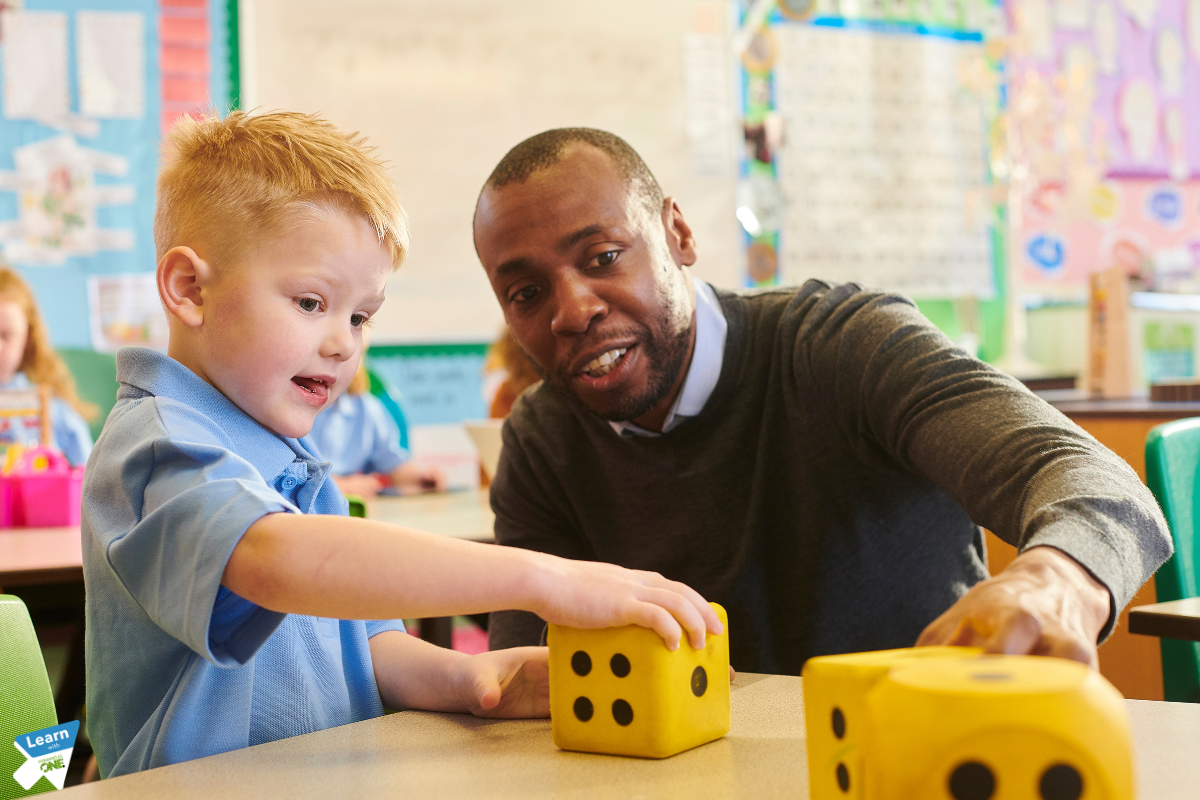
SEN support
Supporting SEN children is one of the most valuable ways to volunteer in a school, as many children benefit from additional one-to-one support through the school day. SEN volunteers will often help children with reading, communication, classroom activities, emotional regulation and social interaction under the guidance of teachers and specialist staff.
The role does not usually require specialist training or qualifications, but you must be empathetic, reliable and have strong communication and listening skills.
This can be a great volunteer role to consider if you are interested in a career in education, psychology, social care or child development.
School trip support
School tips often depend on volunteers to help supervise pupils, support teachers and ensure the day runs safely and smoothly. Trip support volunteers can accompany classes on museum visits, residential trips, sports events and local education experiences by helping to manage small groups of students and providing extra support throughout the day.
For volunteers, it can be a rewarding way to engage directly with students outside of the classroom and contribute to memorable learning experiences.
School governor roles
Becoming a school governor is one of the most impactful ways you can volunteer in a school, as the role helps to shape school improvement and local community representation. Within a Multi-Academy Trust (MAT), governors work closely with school leaders to support improvement, represent the local community and ensure the school aligns with the wider trust’s vision and values.
Schools actively welcome volunteers from a wide range of professional backgrounds, including business, finance, HR, law, healthcare and even students, as diverse skills and perspectives strengthen governance. Most governor roles involve attending regular board meetings, reviewing school performance and offering both support and constructive challenge to senior leaders.
For many volunteers, becoming a governor is also an opportunity to develop leadership experience, broaden strategic thinking skills and make a meaningful contribution to children, schools and the wider community.
Become a governor today
For more information on becoming a school governor or other volunteer roles, get in touch with our team today. We will take the time to understand your experience and desires in volunteering, helping you to choose the best volunteer route for you.